Major League Baseball’s current collective bargaining agreement is going to expire on December 1st. An agreement before that date isn’t…
Social Media Marketing Tips for Sports Teams
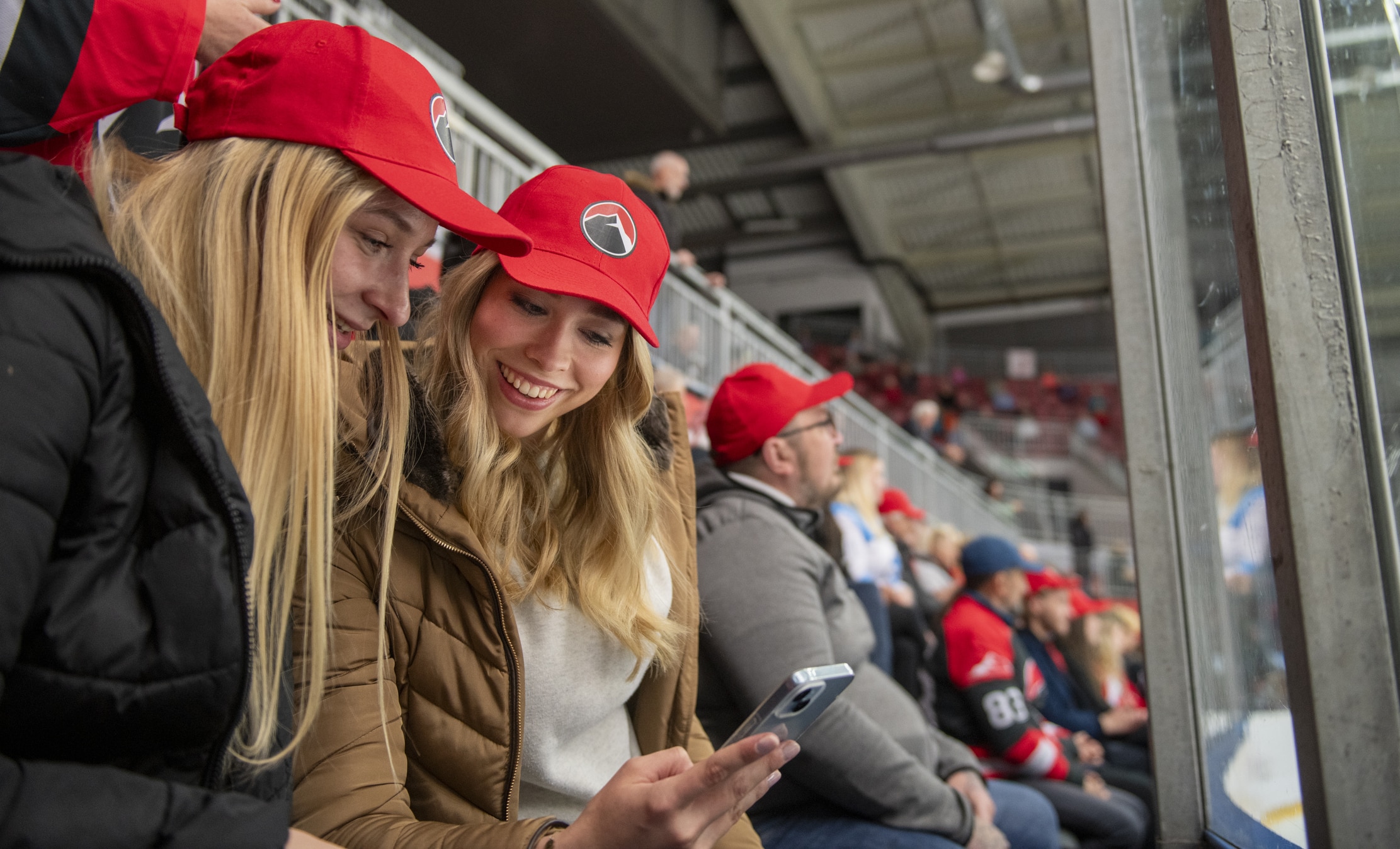
It’s a given that social media usage is here to stay and will continue to grow. As such, many brands, including sports teams, are using social media to build awareness, drive conversions, and foster brand loyalty.
What are some best practices for sports teams when it comes to social media? How do you keep your fanbase engaged when your team is playing, when they aren’t, when they are winning, and when they aren’t?
SOCIAL MEDIA HAS CHANGED THE WAY TEAMS CONNECT WITH FANS
Social media has changed lots of things. Most definitely, how we use the internet, how much we use the internet, and how we stay connected to the things we cherish most. The emotive nature of fandom makes social media a great platform for teams.
Sports teams initially looked to social platforms as a promotional tool. It was the easy way to convey your bobble head night or push tickets to a big matchup. As social platforms became more prolific, forward-thinking teams saw the value in taking their social media strategies to the next level.
Today’s fans want behind-the-scenes access, real-time updates, insight into player personalities, entertainment, and content they can weigh in on. Teams have paid attention to this and have adapted their use of social media.
Teams can now ‘engage at scale’ with fans, regardless of the time of year or where they are in the standings. Not only can they make fans feel as though they are part of the organization, but they can also measure which content resonates, how fans feel about the team, and what kinds of experiences fans are seeking at their games.
Teams have recognized that handling their social media properly can positively influence ticket sales, sell branded merchandise, and enhance their sponsorship efforts. A more direct way of saying this is that teams are making more money when they execute properly on social media.
HOW TEAMS CAN SELL MORE TICKETS UTILIZING SOCIAL MEDIA PLATFORMS
Win more. Nothing sells tickets like winning, especially in Phoenix and Seattle. Sorry, not sorry, for pointing out the obvious here.
Beyond that, teams can sell more tickets when they use social media platforms for special giveaways, make special pricing offers to relevant audiences, and promote theme nights. They can also convey urgency on ticket availability.
Because of the vast amount of time people spend on social media, staying top of mind with your fanbase and your community isn’t difficult. Delivering the appropriate ticketing value proposition to the right audience is made easier with the targeting capabilities that are inherent in the platforms.
Either way, conveying the content that motivates a consumer action is not rocket science. Like many aspects of marketing, it’s all about delivering a ticket offer that lands.
HOW TEAMS CAN SELL MORE BRANDED MERCHANDISE WITH SOCIAL MEDIA
Win more. Nothing sells branded merchandise like winning, especially in Phoenix and Seattle. Anyone else noticing a trend here? Again, couldn’t help myself.
Socials’ vast reach and audience segmenting capabilities mean you can drop very specific offers to very specific audiences. Branded golf shirts for older men, fitted women’s apparel, kids’ clothes, and trendy team gear for younger fans are all easily pushed to social media audiences. Special offers and a sense of urgency messaging (limited edition) can move items quickly.
Also, consider the point of purchase opportunities. People want ease of purchase, and there’s truly nothing easier to buy something with than your phone. In hindsight, I should have pointed that out with tickets as well. Consumers love ease of purchase; social media delivers it.
ENHANCE YOUR SPONSORSHIP EXECUTIONS WITH SOCIAL MEDIA
Fandom affords teams the ability to readily generate a vast number of followers. This makes sponsorship-related social content effective and scalable. Whereas each team’s marketing department needs to prioritize the team’s own promotional priorities, the opportunity to generate revenue from affiliative posts with sponsors is something no team should ignore.
Marketing gold is achieved when you can do both, or in this case, maybe all of the above. A skilled sports marketing team can promote both to the benefit of all parties.
Whether it’s tickets, merchandise, or hospitality … team assets that align with sponsor activations are a win-win. Incentivizing sponsor engagement is not uniquely a team asset, but it is superior to other forms of marketing that endeavor to motivate consumers to action. If you can deliver consumer value on top of that, you are winning.
In my opinion, affiliative social posts should only be for your biggest and best sponsors. You don’t want to convolute your feed or take your social strategy off point by incorporating too many sponsors. This method of co-branding is effective as long as it is not overdone.
That also allows for this type of activation to retain its proper market value. Brand alignment on social media is a very powerful asset. Because posting on social media doesn’t have a cost associated with it, many teams don’t properly value the asset in their overall portfolio. This lends itself to smaller brands showing up on your feed. This clearly devalues your team’s brand.
WHAT ALL TEAMS SHOULD DO WITH THEIR SOCIAL MEDIA EFFORTS
Most of the teams in the primary markets we serve do an admirable job with their social media efforts. Some need a reminder of the fundamental ways to make social media work for their marketing goals.
- Prioritize Short Form Content
- Utilize Past and Present Players as Influencers
- Engage Your Fans, Make Them Part of Your Content
- Create a Gameday Strategy
- Create a Postgame Strategy
- Showcase Your Community Involvement
- Humanize Players
- Know the Strengths (and Limitations) of Each Platform
Social media has become one of the most powerful tools in sports marketing. It gives teams the ability to connect directly with fans, grow their audience, increase attendance, attract sponsors, and build long-term loyalty.
People may come for the scores, but they stay for the connection.
Ed has bought, sold, and consulted on sports sponsorships for over 30 years. If you’re looking to learn more about how you can make your sponsorship investment more impactful or if you’d like Ed to review your partnership efforts, contact him at ed.olsen@linedrivesportsmarketing.com or call his cell at 602.284.6722
YOU MIGHT ALSO BE INTERESTED IN...