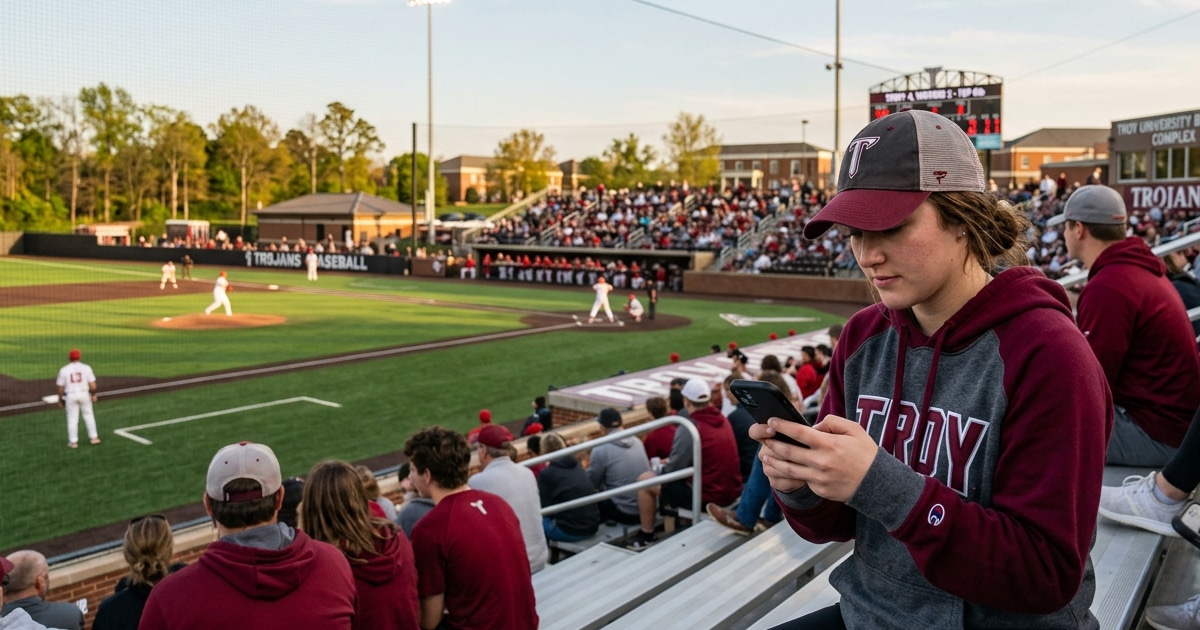
Major League Baseball’s current collective bargaining agreement is going to expire on December 1st. An agreement before that date isn’t…
The CFP is Getting Bigger. Will Non-CFP Bowl Games Keep Up?

Week in and week out, college football delivers drama, excitement, and pageantry like no other sport. As the CFP rolls toward inevitable expansion to 24 teams, what challenges will it create for the 35 non-CFP bowls? What will the impact be on sponsors and sponsorship opportunities for the non-CFP-related bowls that take place in December?
When (not if) the postseason landscape changes, the mindset seems to be on creating more meaningful games. In doing so, it will also take 12 more ‘successful’ teams away from the non-CFP Bowl games. This means non-CFP bowl games will now be played around the same time as CFP expansion, with lower-performing teams that will play during the additional weeks required to accommodate expansion.
The new reality of college football already lends itself to star players opting out, fans being relatively passive about attending the game, and television audiences being surprised. At least that’s how it looked in 2025. Viewership for non-CFP Bowl games last year was up 14% while attendance continued its slide by an additional 9%. Both of these metrics (attendance and viewership) are important to sponsors.
This creates both opportunities and challenges for non-CFP Bowl Games.
WHAT CAN NON-CFP BOWL GAMES DO TO RETAIN SPONSOR & FAN INTEREST?
I think if you asked the typical college football fan, they would lament that attending non-CFP Bowl games is of little interest to them. And yet, they are still tuning in on television. (Remember too that all live sports got a ratings bump based on new measurement protocols that Nielsen implemented last year. You can read more about that here.) Layering on bigger games with greater meaning could very well erode the only good story the non-CFP Bowls have to tell. That’s a problem, or as I prefer to say … that’s an opportunity.
It’s time for non-CFP Bowls to act. They have one year to bolster their relevance to possible attendees, television audiences, and sponsors (not necessarily in that order). Here are some things non-CFP Bowls can do to maximize their relevance to attendees and TV viewers alike.
- Evaluate your event from every angle: venue, concessions, accommodations, ease of travel, etc. Review everything and anything that affects the fan experience. Seek sponsors that would benefit from sponsor affiliation while also enhancing the fan experience. Those sponsors can be key to co-promotion strategies that make ticket purchases more attractive. This includes but is not limited to hotels, short-term rentals, restaurants, golf, attractions, and other sporting events.
- Be willing, able, and ready to adapt to opportunities. The ‘spectacle’ component (eating the mascot, dumping mayonnaise on coaches) is a product of creativity, and it creates a special moment for sponsors, but trying to copy that is not the answer. Being creative doesn’t necessarily mean you have to do something overly unusual. You need to find your signature moment and leave the attendee/viewer with a positive brand perception of your sponsor(s). Your goal should be lasting top-of-mind awareness with attendees and viewers before, during, and after the game.
- Data … No one seems to hear me when I emphasize the importance of data. Data allows your marketing team to understand and target your audience better. This allows you to serve relevant offers to relevant audiences, which is the key to marketing effectively. People buy tickets, and those people have consumer behaviors. Endeavor to know who comes to your event and what they like to do besides going to a game.
- A well-run sponsorship team has a pulse on every other team, event, or network that could potentially displace one of their partnerships. In my day, we always kept a file on each and every competitor we had so that we could evaluate our deliverables, our pricing, and our value proposition to what they were offering. For non-CFP Bowl Games and the changing landscape, this is a critical must-have for your sponsorship team. Stop calling yourself unique … you’re not. You’re competing for people’s attention and access to their wallet.
Just like the game itself, knowing the competition helps you win. - People marketing these events need to dig deep to create a solid value proposition that goes beyond the game. This is where you shine a light on everything your market has to offer a visiting fan that’s going to invest money to come see your game. When done right, the game serves as the centerpiece of an experience. Compelling marketing, done right, will drive attendance, increase television viewership, and solidify your sponsorship relationships.
- Only the very best sports entities reevaluate their current assets and strategically develop new ones. If viewership continues to trend positive, look to develop additional video assets. This can be anything from a unique segment on your broadcast to an engaging social strategy that promotes the sponsor and the event.
The murky waters of NIL should be explored further. Can you agree with the participating teams to utilize players, marks, and high-profile coaches for specific promotional opportunities that include sponsors?
All manner of asset development must be explored. Non-CFP Bowl games can not afford to sit on their hands while their value proposition is compromised by change. - Keep your relationship with anyone and everyone who buys a ticket. This can be done using simple engagement tools with both email and social media. It can also be easily incentivized. These are sports tourists and locals who have discretionary income and can be valuable to future events. The key is to keep them loyal and engaged with your event and your market. This is where a unique partnership involving your state tourism partner, other sporting events, and other key sponsors can be especially valuable.
Remember, the fewer people who watch or attend a game, the less valuable the event is to sponsors. Playoff games happening concurrently have the potential to make participating in, attending, and watching these games less meaningful across the board. Non-CFP Bowl games must be proactive in developing strategies that compel fans (and non-fans) to attend or watch the game.
Brand loyalty that we talk about in ‘normal’ marketing is truly no different for sporting events. If you give your local or visiting college football fan a great experience, they will find value in purchasing a ticket. If you provide a great fan experience and stay in contact with said fan via email or social media, you generate fan loyalty to your event.
To put this quite bluntly, non-CFP Bowl Games need to ditch the ‘of course they will show up’ mentality that is prevalent with sporting events of all kinds. You must constantly evaluate your customer journey, your value proposition, your competition, and the important touchpoints you can create with anyone engaging with your event in person or from their home.
Bottom line, for non-CFP Bowl games, the time to get ahead of this is now. You still occupy a favorable space, but you must be proactive to retain it. For sponsors, look hard at what you’re doing and what the results have been. Meet with representatives of the bowl you’re investing in and have the conversations that are necessary to create the kind of partnership that propels the event and your brand forward.
Ed has bought, sold, and consulted on sports sponsorships for over 30 years. If you’re looking to learn more about how you can make your sponsorship investment more impactful or if you’d like Ed to review your partnership efforts, contact him at ed.olsen@linedrivesportsmarketing.com or call his cell at 602.284.6722
YOU MIGHT ALSO BE INTERESTED IN...